

FAA airspace overhaul to deepen Phoenix’s ‘flight blight crisis’ with up to $1.8 billion in property value at risk
Phoenix is already one of the most flight-blighted metro areas in America - and the FAA’s proposed airspace overhaul is set to make it worse for most residents. New analysis by aviation property intelligence platform My Flight Path across 11 Valley zip codes finds 8 face higher noise levels and falling home values
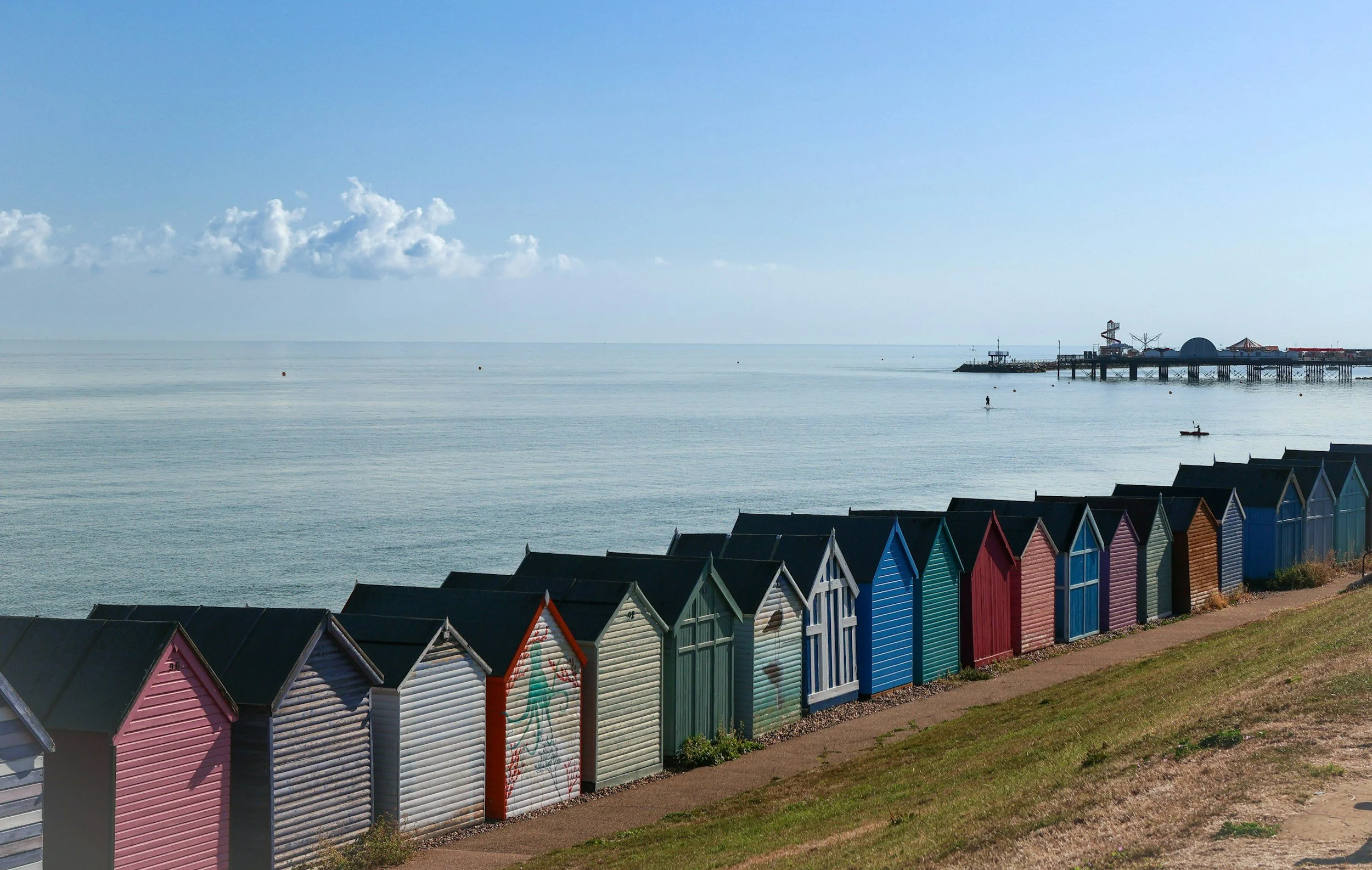

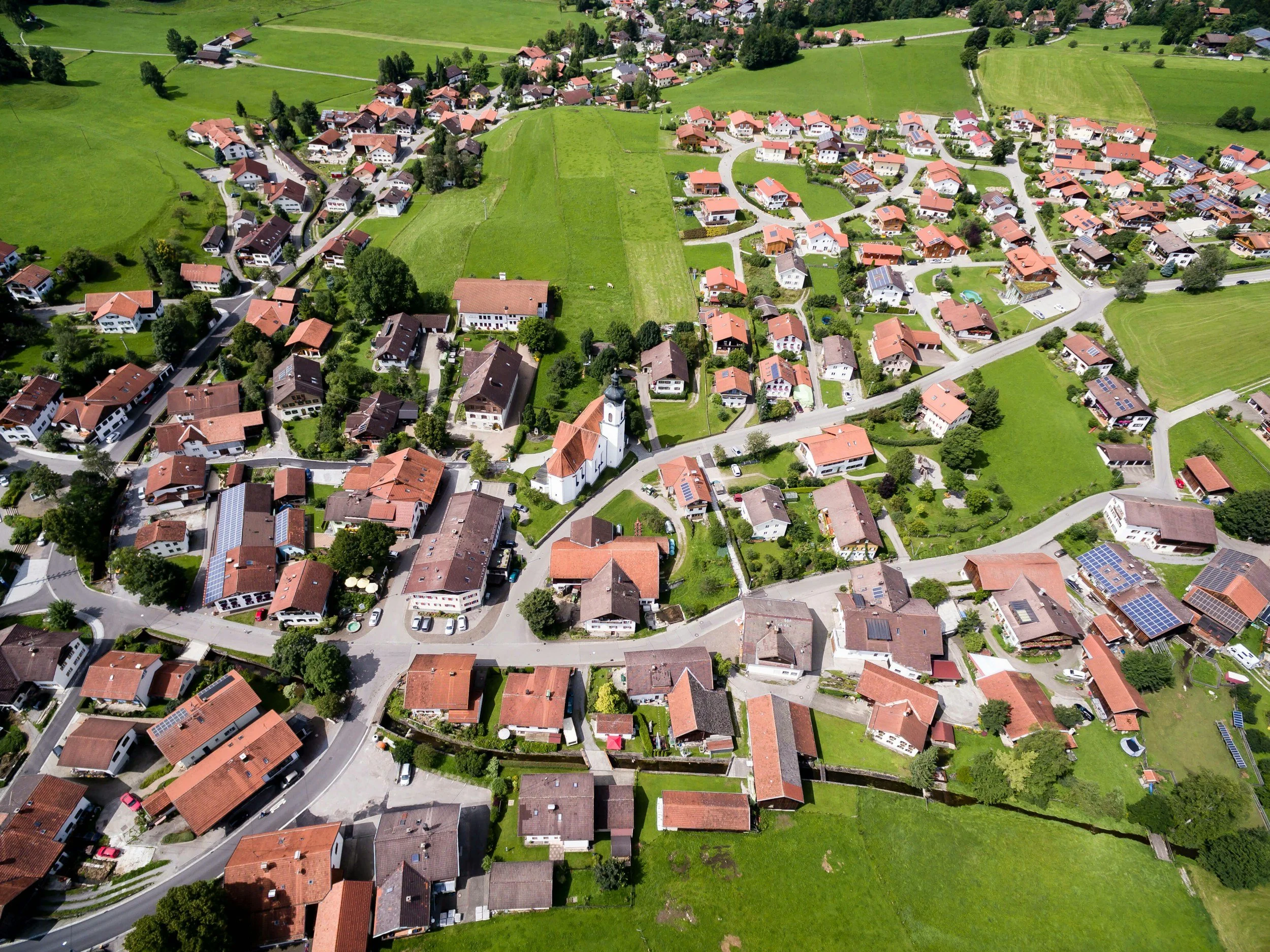
South Queensferry, Wilmslow and Edinburgh top the list of quietest towns for aircraft noise near a major UK airport
New data from property intelligence platform My Flight Path reveals the best and worst places to live for aircraft noise near Britain’s eight busiest airports
FLIGHT FRIGHT: Britain's 250 most aviation-blighted postcodes named and shamed
New data ranks every postcode district in the UK by aircraft noise. Britain's noisiest postcodes have been named and shamed in a new study that ranks every postcode district in England, Scotland, and Wales by aircraft noise — revealing that more than a quarter of a million households live in areas scoring in the most severe category. And experts warn it could soon get much worse.


Government New Towns Programme: 250,000 Homes Face 'Flight Blight’
My Flight Path, the UK's leading aviation impact analysis service, has found that 11 of the 12 locations recommended by the Government's New Towns Taskforce will be significantly affected by aircraft noise, exposing future residents to noise levels proven to disrupt sleep, increase cardiovascular stress, and slash their property values by up to 26%.
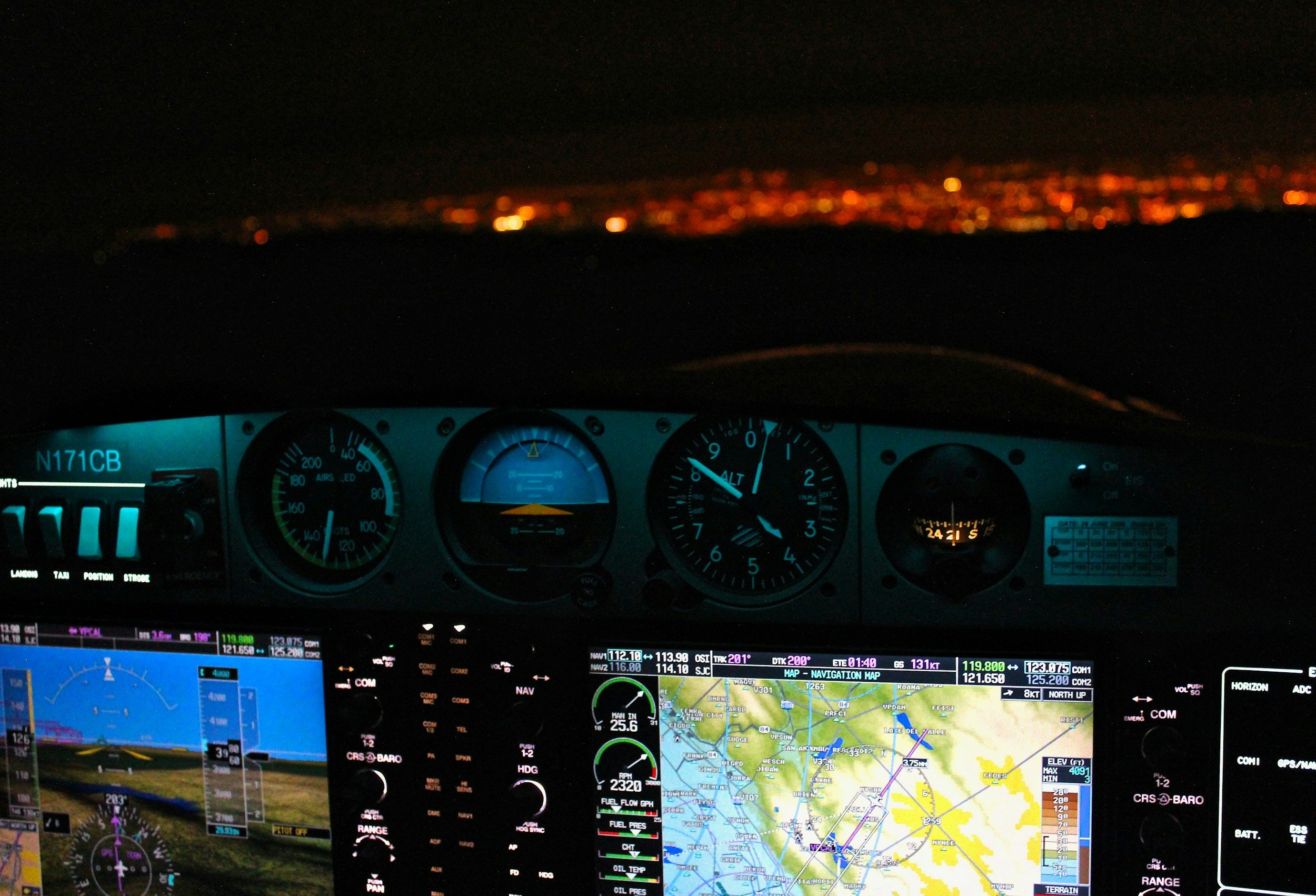
Flight paths over my house: How to check, why it happens & what you can do
Why are there flight paths over my house?
If you’re asking “why are planes flying over my house?” — you’re not alone. Thousands of homeowners experience regular aircraft noise, often without realising their area sits beneath a defined flight path.
Flight paths exist because aircraft must follow designated routes for safety, efficiency, and air traffic control. These routes often concentrate flights over the same communities repeatedly, rather than spreading noise evenly.
Importantly, flight paths can change. Airspace redesign, runway alternation, and operational changes at airports mean areas previously unaffected can suddenly experience frequent overflights.
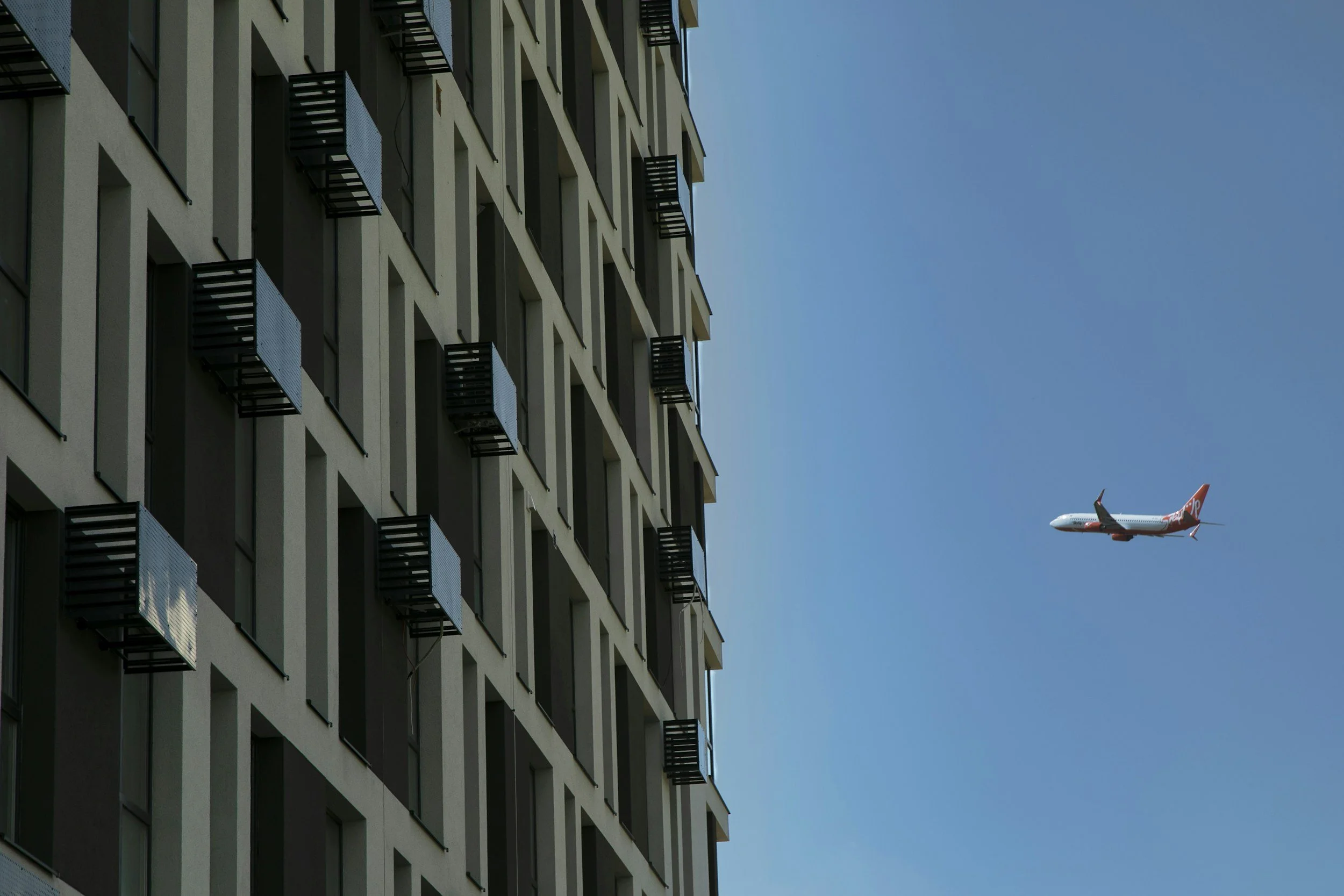
How to check flight paths over a house before buying (UK Guide 2026)
Buying a house is one of the biggest financial decisions you'll ever make, but most buyers overlook one critical factor: what flies overhead. Aircraft noise can fundamentally change your quality of life and significantly impact your property's value—research shows house prices fall by 0.5-0.6% for every decibel of sustained noise exposure.
This comprehensive guide shows you exactly how to check flight paths before buying, from visiting at different times and talking to neighbours to using free online tools and commissioning professional Flight Blight Reports. With UK airports planning 600,000 additional flights annually by the 2030s and no government compensation for newly affected homes, understanding aviation exposure is essential for any property purchase within 50 miles of an airport.
Don't let flight paths be your most expensive surprise—learn the 6-step process to check before you buy and protect your investment.
London Stansted's remarkable growth story – and the property value question no one's asking
Stansted Airport has experienced extraordinary growth, recovering from pandemic lows to hit a record 29.8 million passengers in 2024. With plans to expand to 51 million passengers by the 2040s and a £1.2bn investment programme underway, the airport is positioning itself as the UK's second-busiest hub.
But what does this mean for homeowners in surrounding Essex and Hertfordshire villages?
Recent Daily Mail coverage highlights growing concerns from residents in communities like Brick End – homes valued at £800k+ where aviation noise has become a defining feature of daily life.
Our My Flight Path analysis shows aircraft noise has a measurable financial impact, with house prices falling by approximately 0.5-0.6% for every decibel of sustained noise exposure. For an £800k property, that's potentially £40,000-£48,000 off the value for every 10 decibels of aircraft noise impact.
At My Flight Path, we're bringing transparency to property transactions – because understanding your flight path shouldn't be an afterthought when buying a home.
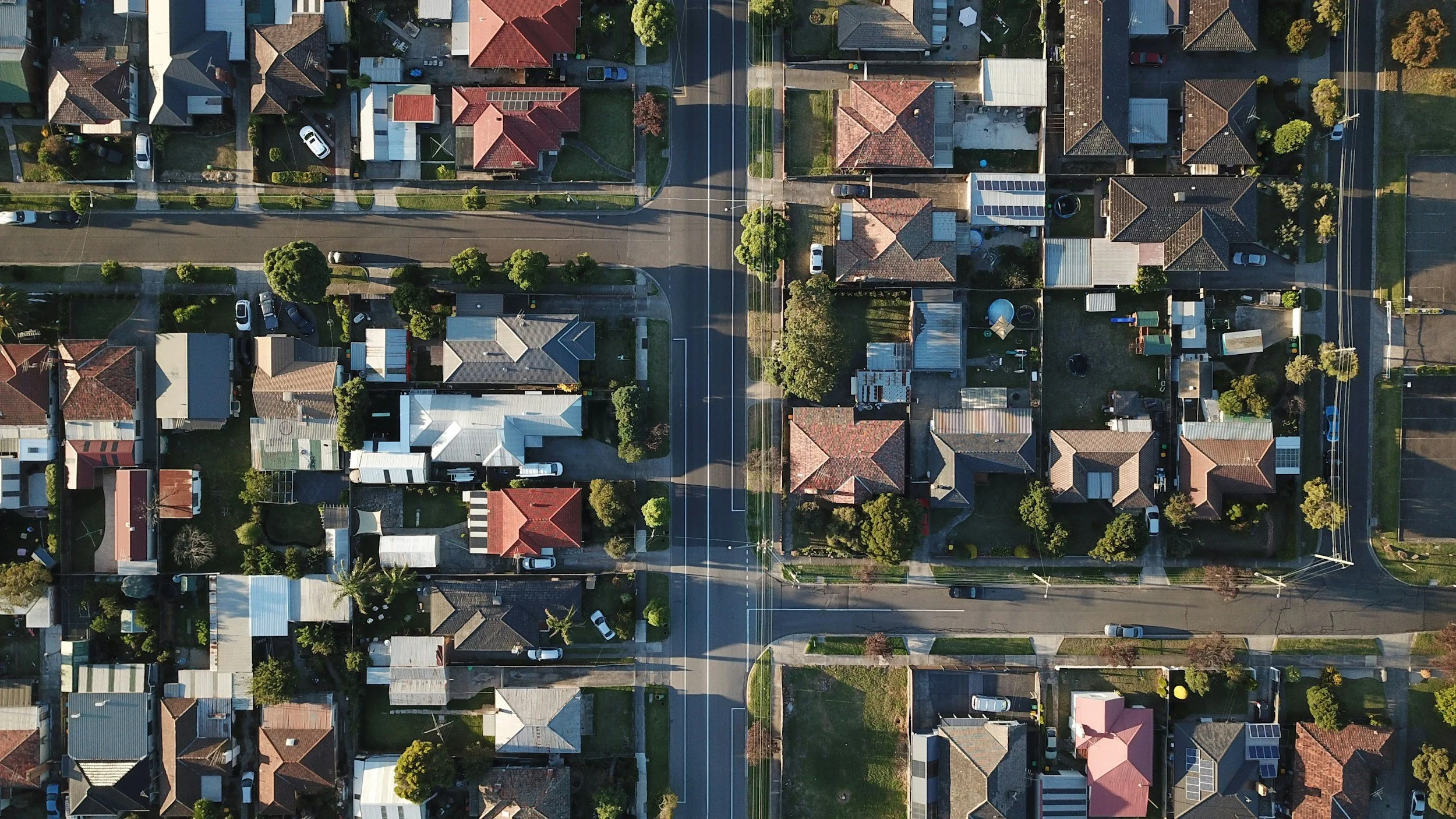
Property buyers warned: you can’t rely on compensation for flight-path changes
A new government report highlights something homebuyers can no longer ignore: households newly affected by redesigned UK flight paths are unlikely to receive any compensation for increased aircraft noise.
Government advisers say compensating newly overflown homes would be "too costly, too complex, and too hard to deliver fairly." In other words: if your property suddenly finds itself under a new flight path, you're on your own.
This matters because the UK's airspace is undergoing the biggest redesign in 70 years. As airports shift routes to improve efficiency and expand capacity, thousands of homes will experience aircraft noise for the first time.
Property values can fall sharply when homes become newly exposed to regular flight traffic. Noise affects quality of life in measurable ways, from disturbed sleep to reduced enjoyment of outdoor space.
Understanding noise exposure must become routine in home-buying – just as standard as checking flood risk or local crime data.

It’s more important than ever for people to have clarity on what’s overhead
At My Flight Path, our mission is simple: give people a clear, data-driven understanding of what flies over their homes, workplaces and communities.
We recently came across a powerful visualisation showing aircraft movements at Heathrow. It captures the scale, frequency and intensity of daily air traffic in a way that static maps never can.
Seeing the sky rendered as living, moving airspace - not just lines on a chart - is exactly the kind of clarity we believe homebuyers, surveyors and property professionals deserve.
We're actively exploring how approaches like this can be incorporated into our future Flight Blight Reports and analysis. The goal: make aviation impact tangible, accessible and easy to understand - whether it's daytime operations, night flights, seasonal shifts or runway reconfigurations.
If you're interested in helping people make better decisions about where they live and invest, we'd love to connect.
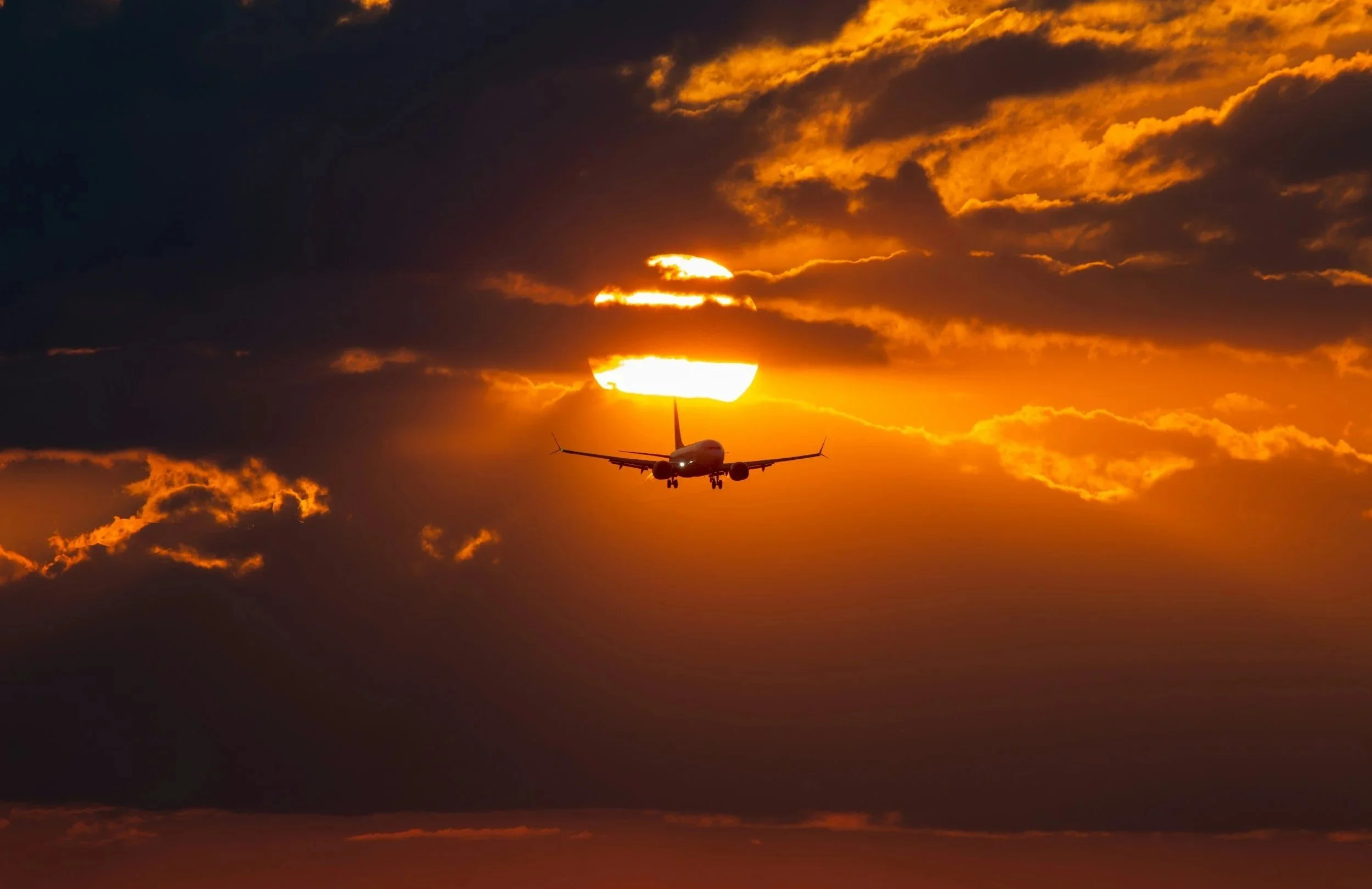
Airport expansion set to give lift-off to 600,000 more flights - creating new risks and opportunities for the UK property industry
Following Government backing of Heathrow Airport's £49 billion third-runway plan, the UK is heading toward a surge of aviation capacity that will reshape millions of households and present both risks and opportunities for the property sector.
Heathrow's expansion, combined with major growth at Gatwick, Luton, Stansted and Farnborough airports, accounts for over 500,000 additional flights per year. With regional airports including Bristol, Southampton, London City, Manston and Leeds Bradford finalising expansion plans, total uplift could reach 600,000 more aircraft movements annually.
That would take the UK from approximately 2.7 million flights today to 3.3 million - a 22% increase and equivalent to 9,000 flights every day.
New analysis by My Flight Path estimates house prices fall by approximately 0.5-0.6% for every decibel of aircraft noise. A 6-10 dB increase equates to 3-6% value erosion for affected properties.

When airspace meets real estate: what Heathrow’s expansion plans mean for property professionals
The government's latest update on Heathrow expansion marks a pivotal moment not just for aviation but also for the property market.
The Department for Transport has asked Heathrow Airport Ltd and Arora Group to provide detailed evidence as part of the Airports National Policy Statement review, aiming to enable a development consent application within this Parliament and keeping the third runway on track for completion by 2035.
The DfT has requested information directly impacting local communities and property markets, including land acquisition and blight data, flight and operational forecasts, aircraft noise footprints, and surface access disruption plans.
For the real estate industry, this matters significantly. Compulsory purchase zones, revised air corridors and new noise contours could reshape lending and buyer confidence across West London and the Thames Valley. Understanding what flies over a property is becoming as important as understanding what's built next to it.

When executive travel becomes community burden: helicopters, inequality and noise blight
Over the Ryder Cup weekend, Brooklyn residents found themselves under siege from hundreds of helicopters shuttling wealthy golf fans across neighborhoods, buzzing over homes from Park Slope to Carroll Gardens as early as 4 a.m.
The backlash was swift. Local officials condemned what they saw as luxury privilege imposed on ordinary neighborhoods at the expense of peace, air quality and public health.
While this is an extreme example, it's part of a broader trend: executive helicopter travel is becoming a new blight on communities. Unlike fixed-wing aircraft, helicopters produce concentrated noise across smaller footprints. They hover, circle, descend steeply - each move amplifies disturbance at street level.
For property professionals evaluating impacts, flight-blight from rotorcraft must enter the spectrum of environmental due diligence. Just as we map flood risk or rail noise, helicopter activity requires real-time tracking and predictive models.

When the night skies disrupt the real estate calm: what Gatwick’s night schedule means for property professionals
As property consultants, developers and investors, we often focus on location, infrastructure and demand. But one rising issue demands attention: the growing impact of night flights and the ripple effects for real estate across Sussex, Surrey, Kent and beyond.
A recent survey by CAGNE reveals that 72% of respondents support a ban on Gatwick Airport night flights between 10pm and 7am, while 68% oppose expansion via a second runway.
This is more than just a noise issue - it's a quality of life issue. Gatwick handles over 14,450 night flights a year, many flying directly over densely populated areas.
Properties subject to regular aircraft noise, especially at night, risk lower demand, reduced appeal or depressed values. Buyers value tranquillity; persistent night noise can tip scales when decisions are being made. Landlords may struggle to retain tenants who prioritise rest.

Brussels Airport under fire: When noise breaches the breaking point
A recent Brussels Times report shows that over 100,000 residents near Brussels Airport experienced "severely disturbed sleep" in 2024, defined by World Health Organization guidelines and mapped across about 40 municipalities.
Noise complaints have soared: 37,188 filed by nearly 4,000 individuals, up from under 29,000 in 2023. Contributors include ongoing runway maintenance, adverse weather mandating runway deviations and operation of outdated, noisy aircraft well past night curfews.
This isn't just data - it's a community in distress. Night-time aircraft above dense neighbourhoods are more than a nuisance when residents have been left in the dark. The airport's lack of dialogue has only inflamed frustrations.
This is a clear signal: protecting sleep isn't just about delivering quiet, it's about maintaining trust, transparency and community consent. At My Flight Path, we believe aviation impact assessments should be as standard as flood-risk checks for property buyers.

Flight Blight: The hidden costs of airport expansion across the UK
The debate around Heathrow's third runway dominates headlines, but airport expansion across the UK - from Manchester to Bristol, Luton to Gatwick - is creating hidden costs for communities beneath flight paths.
The story of Harmondsworth, reported in The Sunday Times, illustrates these costs. Homeowners living in the shadow of Heathrow's proposed runway find themselves trapped. Mortgage lenders are refusing to finance homes in affected zones, marking them as uninsurable risks. Families who want to buy cannot secure loans. The market grinds to a halt.
The only transactions left are cash purchases by landlords and speculative investors picking up discounted homes and converting them into houses of multiple occupancy. Longstanding neighbours depart, replaced by short-term tenants. The social fabric frays.
At My Flight Path, we believe aviation impact should be assessed as rigorously as flood risk or subsidence. Buyers deserve transparency before committing to a mortgage.

The true scale of domestic air travel
A graphic from Felix Roick doesn't just show global connections between countries - it reveals the sheer density of domestic air travel. From the spider's web over the United States to Europe's clustered routes and Asia's rising hubs, short-haul flights dominate the skies.
But what looks like connectivity on a map often feels very different on the ground. Domestic short-haul routes frequently use older, noisier aircraft. Many smaller regional airports are located right next to communities, meaning the impacts of aviation noise and emissions are felt most directly by those who live below.
With demand set to double in the next 20 years, those impacts will only grow unless managed carefully. At My Flight Path, we believe homebuyers, surveyors and property professionals should have a clear picture of what aviation means for a community before making decisions. Estate agent viewings won't reveal busy flight paths, but data can.

The hidden health crisis above our heads: aircraft noise and stroke risk
Noise has long been dismissed as an irritant that disrupts sleep, raises stress or lowers property values. But new research adds to growing evidence that noise, particularly from transport systems, is a serious health threat.
A major Danish study found that living near busy roads increases stroke risk by more than 12%. A rise of just 14.9 dB was linked to a 12.4% increase in stroke incidence, even when accounting for air pollution.
While road and rail noise were the focus, aircraft noise is an even sharper concern. The disruptive effect of planes, particularly night flights, has disproportionate health consequences. Aircraft noise uniquely fragments sleep cycles, triggering hormonal responses and sustained cardiovascular stress.
The World Health Organization now places environmental noise, with aviation at its forefront, as one of the top environmental health risks after air pollution. What happens above our heads has a direct impact on our hearts and minds.