
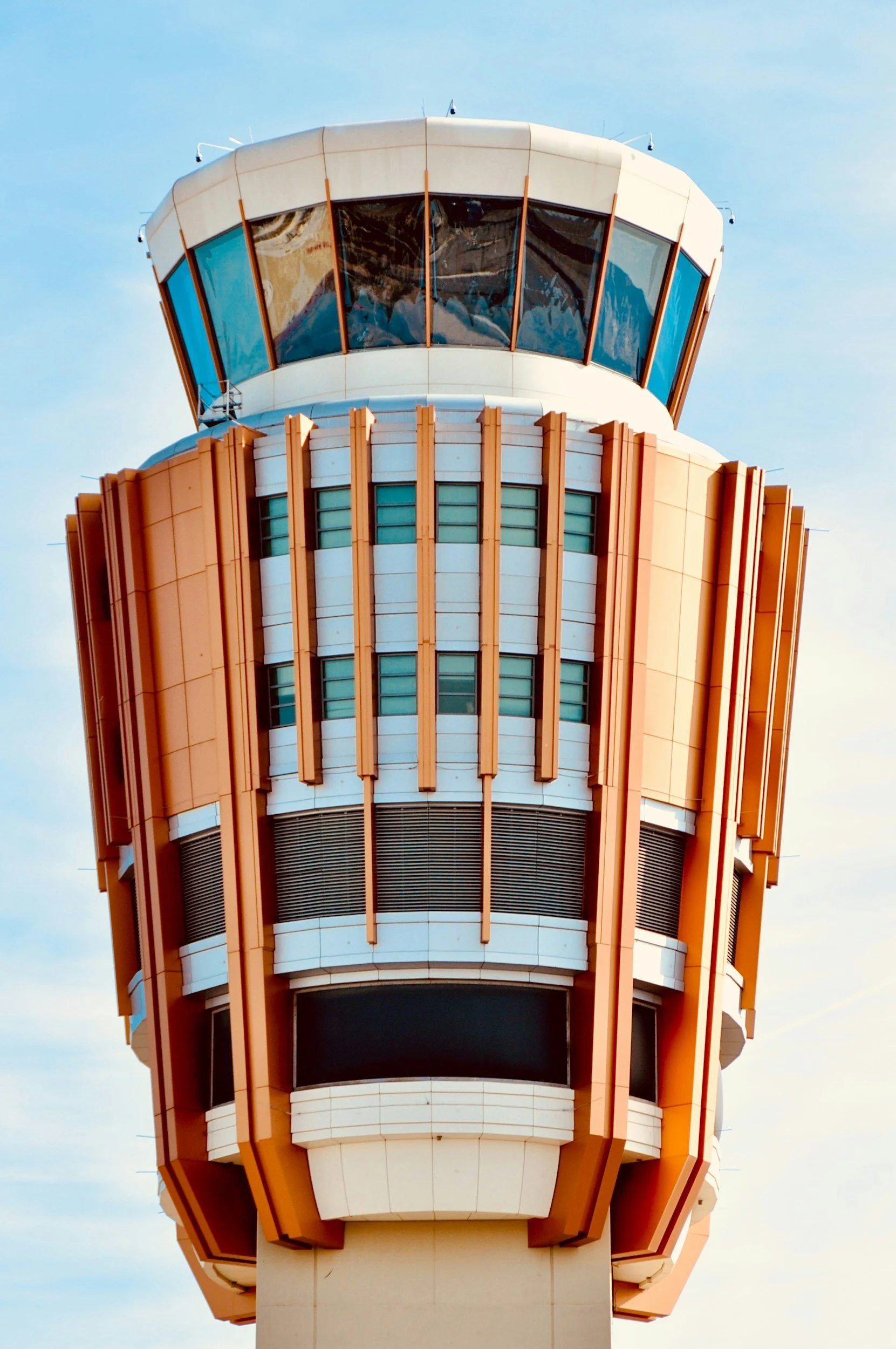
Check if a home is under Phoenix Sky Harbor Airport flight paths before you buy.

Phoenix Sky Harbor is one of the top 10 busiest airports in the United States, handling a record 52.3 million passengers in 2024. Located just minutes from downtown Phoenix, Sky Harbor's flight paths affect some of the Valley's most desirable neighbourhoods—including Paradise Valley, North Scottsdale, and Arcadia-Biltmore.

For homebuyers in the Phoenix metro area, understanding aircraft noise is critical. The FAA's 2014 NextGen flight path changes concentrated traffic over specific communities, and the controversy continues today.

Contact us to learn more

Which Phoenix neighborhoods are under Sky Harbor flight paths?

Sky Harbor's noise impact depends heavily on wind direction, which determines whether the airport operates in "west flow" or "east flow" mode. During west flow—the most common configuration—departures head south and west, affecting different communities than arrivals.

North Scottsdale & Paradise Valley (Most controversial)

  • Paradise Valley – Wealthy enclave now under concentrated NextGen flight paths

  • North Scottsdale – DC Ranch and surrounding areas significantly affected since 2014

  • Gainey Ranch – Under arrival corridors

  • McCormick Ranch – Experiences approach traffic

Central Phoenix & Arcadia

  • Arcadia-Biltmore – Directly under initial departure paths during west flow; frequent overflights as planes climb out

  • Camelback East – Under departure corridors

  • Central City – Close proximity to airport

  • Encanto – Affected by certain patterns

East Valley

  • Tempe – Directly impacted by west flow departures

  • Scottsdale (Central/South) – Under departure and approach paths

  • Chandler – Affected by south-turning departures

  • Ahwatukee – Experiences departure traffic heading southwest

South Mountain & Tribal Lands

  • South Mountain Village – Near Sonoran Preserve, affected by new routes

  • Laveen – Under certain departure corridors

  • Salt River Pima-Maricopa Indian Community – Tribal opposition to overflights affecting their land and wildlife

The Phoenix NextGen controversy: what homebuyers need to know

2014: NextGen changes everything

In September 2014, the Federal Aviation Administration implemented its NextGen satellite-based navigation system at Phoenix Sky Harbor. The new system created more precise, direct flight paths—but it also concentrated aircraft over specific communities that had previously experienced dispersed traffic.

Neighbourhoods in North Scottsdale and Paradise Valley went from occasional overflights to near-constant aircraft noise. For residents who had paid premium prices for quiet desert living, the change was dramatic and unwelcome.

Scottsdale takes on the FAA

The City of Scottsdale became one of the most vocal opponents of the new flight paths. The city:

  • Filed formal petitions with the FAA demanding revised routes

  • Commissioned independent noise studies

  • Joined coalitions with other affected communities

  • Pursued legal action to compel the FAA to review alternatives

Despite years of effort, meaningful changes have been slow. The FAA has conducted reviews but argues that safety and efficiency requirements limit options for significant route modifications.

Salt River Tribe opposition

The Salt River Pima-Maricopa Indian Community (SRPMIC) has raised serious concerns about flight paths over their land. The tribe argues that:

  • Aircraft noise and pollution impact quality of life for tribal members

  • Overflights affect wildlife in the Sonoran Preserve

  • The FAA failed to adequately consult with the tribe before implementing changes

  • Sacred and environmentally sensitive areas deserve protection

This adds a unique dimension to the Phoenix controversy—unlike most airport noise disputes, this involves tribal sovereignty and federal trust responsibilities.

The wealth factor

Phoenix's flight path controversy has a distinctive character: many of the most affected areas are among the Valley's wealthiest. Paradise Valley has some of Arizona's highest property values, and North Scottsdale's DC Ranch community is known for luxury homes.

This means affected residents have the resources and political influence to mount sustained opposition—but so far, it hasn't translated into major FAA concessions.

Understanding Phoenix's flight operations

West Flow vs East Flow

Like most airports, Sky Harbor's runway usage depends on wind direction:

West Flow (Most Common)

  • Aircraft depart to the west, then turn south/southwest

  • Affects: Arcadia-Biltmore, Tempe, Chandler, Ahwatukee, South Mountain

  • Used majority of the time due to prevailing winds

East Flow

  • Aircraft depart to the east

  • Affects: Different set of eastern communities

  • Used when winds favour easterly operations

Arrival patterns

Arrivals typically approach from the east or north, affecting:

  • North Scottsdale and Paradise Valley (northern approaches)

  • Tempe and Mesa (eastern approaches)

The NextGen concentration means these approaches follow tighter, more predictable corridors—good for efficiency, but meaning some homes are under constant traffic while neighbours a few streets away hear nothing.

Phoenix Sky Harbor noise resources

The City of Phoenix provides several resources:

  • Aircraft Noise Office – Contact aircraft.noise@phoenix.gov for complaints and information

  • Historical Flight Path Data – Available through the airport website

  • Community Noise Roundtable – Regular meetings on noise issues

  • FlightAware/Flightradar24 – Third-party tools residents use to track specific paths

A comprehensive My Flight Path report analyses historical data across multiple time periods to give you an accurate picture of what to expect.

How to check flight paths before buying in Phoenix

The Phoenix metro area offers incredible lifestyle and value, but aircraft noise varies dramatically by location. Two homes in the same neighbourhood can have completely different noise experiences depending on their position relative to flight corridors.

Before buying anywhere in the Valley, consider:

  • Wind patterns – West flow dominates, but east flow days can shift noise entirely

  • Time of day – Early morning and evening peak traffic times

  • Seasonal variation – Snowbird season brings increased flights

  • Future changes – FAA reviews continue, and patterns may shift

A comprehensive flight path report analyses historical data across all conditions to show you what to expect.

Frequently asked questions

How far from Sky Harbor can you hear aircraft noise?

Significant noise extends 10-15+ miles from the airport. Communities in North Scottsdale, over 15 miles from the runways, report substantial noise from NextGen-concentrated approach paths.

Does aircraft noise affect property values in Phoenix?

Studies show airport noise typically reduces property values by 5-15%. In Phoenix, this is particularly relevant for premium neighbourhoods like Paradise Valley and North Scottsdale, where buyers expect quiet desert living.

Are the flight paths going to change?

The FAA continues to review complaints and petitions, but has shown reluctance to make major modifications. The Scottsdale petition and tribal opposition create ongoing pressure, but there's no guarantee of significant change.

What about Paradise Valley specifically?

Paradise Valley was one of the communities most dramatically affected by the 2014 NextGen changes. If you're considering a property there, a flight path report is essential—some areas are heavily impacted while others remain relatively quiet.

Is there a quiet time at Sky Harbor?

Sky Harbor operates 24/7, though traffic is lighter in late evening and early morning. Unlike some airports, Phoenix doesn't have formal nighttime restrictions, though noise-preferential runways are used when possible.

Check before you buy

Don't let aircraft noise turn your dream home into a regret. Get a detailed My Flight Path Flight Blight Report for any Phoenix Sky Harbor affected address before you make an offer.

Contact us to learn more